Living in Noosa indicates Take a look at the site here living close to water, bush, winding hinterland roadways, and a continuous flow of visitors who do not constantly understand the local environment. That mix belongs to the beauty, however it likewise indicates accidents are not an abstract possibility. They take place on Main Beach, on the Noosa National forest tracks, at backyard pools in Sunshine Beach, and on long drives up from Brisbane.
Over the years I have trained residents, tourist staff, surf trainers, and moms and dads through Noosa emergency treatment courses, and a pattern is clear: the events that shake people are seldom significant film scenes. They are quiet, quick, and typically preventable. A kid pulled from a backyard swimming pool. A hiker with heat fatigue who all of a sudden stops making good sense. A grandparent whose "funny turn" at lunch is in fact a stroke.
First help training in Noosa is not just a certificate for the workplace wall. It is a practical life ability that fits the way people here in fact live. If you are choosing a first aid course in Noosa, or deciding whether a CPR refresher deserves your Saturday morning, it assists to know what skills truly matter in this area and how they are best learned.
Why emergency treatment matters especially in Noosa
Urban locations with a medical facility every couple of blocks can sometimes lean on the ambulance system. Noosa spreads out people throughout beaches, waterways, bush, and hinterland suburban areas. Response times are normally good, but distance and surface still matter. On a bush track or in the water, those very first 3 to five minutes belong to whoever is nearby.
Several regional aspects make Noosa emergency treatment skills specifically important:
Coastal way of life. Surfing, paddleboarding, boating, and rock fishing bring genuine drowning and spinal injury threats. A number of the emergency stories that locals share silently over coffee started as "simply a fast swim" before work.
Tourism and crowds. Peak seasons bring visitors who undervalue browse conditions, heat and dehydration, or wildlife. Locals are typically the very first calm faces on the scene.
Age mix. Noosa has young households, older retired people, and whatever in between. You are simply as most likely to encounter a kid with an allergy as an older adult with chest pain or a stroke.
Active outdoor culture. Path running in Tewantin National Park, mountain biking, or even a walk to Hell's Gates all bring a chance of sprains, fractures, and heat-related disease, often far from shade, water, or instant help.
Good Noosa first aid training takes this context into account, using circumstances and examples that reflect the reality of the location, not just generic office incidents.
What a solid Noosa first aid course actually teaches
Not all first aid courses Noosa homeowners go to are equal. A useful course does 3 things well: it develops clear knowledge, it engrains practical abilities in your muscles, and it gives you enough reasonable practice that you can believe under stress.
A comprehensive Noosa emergency treatment course typically covers:
Basic life assistance and CPR. How to examine responsiveness, open an air passage, perform chest compressions, and use rescue breaths if required. A modern first aid and CPR course in Noosa will likewise train you on AEDs (defibrillators), which are increasingly available in shopping centres, fitness centers, and some surf clubs.
Breathing and respiratory tract issues. Effective management of choking in adults, children, and infants, plus asthma attacks, anaphylaxis, and other breathing troubles. For numerous moms and dads, this is the section that alters their comfort level at home.
Bleeding and wounds. How to use direct pressure, usage bandages correctly, and when to presume internal bleeding or shock. With the outdoor way of life here, practical wound care matters more than people expect.
Fractures, sprains, and back concerns. How to immobilise a limb, identify a possible spinal injury, and decide when motion is too dangerous. Coastal rock racks and wet paths create lots of slip hazards.
Heat, cold, and environmental injuries. Heat exhaustion, heat stroke, dehydration, stings, bites, and burns all appear in Noosa's case stories. An excellent first aid course in Noosa will utilize local examples, not simply textbook theory.

Medical emergencies. Cardiovascular disease, stroke, seizures, diabetic episodes. With an older population sector, these are not uncommon events.
The finest Noosa first aid training programs do not rush these topics. They cycle in between brief, focused theory segments and hands-on practice, so you absorb the reasoning and the muscle memory together.
CPR skills for a seaside town
CPR is the one first aid skill that the majority of people fear however also most require. Every cpr course Noosa locals attend is, at its core, about buying time for the brain till a defibrillator or paramedics can bring back an appropriate heart rhythm.
In reality, CPR is physically demanding, and doing it on a stranger, a coworker, or a relative is mentally facing. That is why cpr training Noosa service providers run must include duplicated, sensible practice on adult and child manikins, with a trainer who pushes you to fix depth and speed, not just satisfactory effort.
If you just remember one structured procedure from your training, let it be the immediate response actions when you discover someone collapsed and unresponsive. Here is a basic, useful sequence you will rehearse often times in a quality emergency treatment and cpr course Noosa citizens attend:
Check for risk. Try to find browse risks, traffic, electrical energy, or anything else that could injure you or bystanders. Check reaction. Speak loudly, tap their shoulders, and look for any indication they react. Call for help. If there is someone close by, direct them plainly to call 000 and bring the nearby AED if available. Open respiratory tract and check breathing. Tilt the head slightly back, raise the chin, and look, listen, and feel for typical breathing for as much as 10 seconds. Start CPR if not breathing generally. Start chest compressions in the centre of the chest, about one third of the chest depth, at a rate near 100 to 120 compressions per minute.That 5th step is where many individuals are reluctant. In a beach context, there might be sand, water, and a panicked group enjoying. If you have actually finished a recent cpr refresher course Noosa fitness instructors run, you will have practised in those conditions and be less shocked by them.
AED use is likewise part of the majority of cpr courses Noosa homeowners go to today. Modern defibrillators provide clear spoken guidelines and only shock when suitable. The primary ability is having the self-confidence to open the system, apply the pads to bare skin, and follow the prompts. After an excellent cpr course Noosa residents usually report that the AED section was much less intimidating than they expected.
Local circumstances every Noosa local need to be all set for
When you pick a Noosa emergency treatment course, try to find one that hangs out on realistic local situations rather than racing through a list. Here are a few examples from real Noosa life that I have actually seen integrated into efficient emergency treatment courses in Noosa.
Rip-related occurrences. Someone is pulled from a rip, mindful but tired, coughing, and not making sense. Do you treat them on the sand or demand an ambulance even if they say they feel great ten minutes later on? The right answer includes understanding secondary drowning risk and looking for delayed breathing problems.
Heated family day in the park. A senior relative ends up being confused, flushed, and unstable at a Noosaville riverside barbecue. Is it heat stroke, low blood sugar, or a stroke? Great emergency treatment training in Noosa will teach you basic assessments to inform these apart rapidly, and to act before deterioration.
Hinterland bike crash. A buddy comes off a bike on a descent towards Cooroy, suffers neck pain, and has tingling in the hands. The temptation is to "just help them up". Noosa emergency treatment training should drill into you when to presume back injury and how to stabilise without moving needlessly.
Severe allergy in a coffee shop. Noosa has a growing variety of visitors with severe food allergies. A common circumstance includes swelling lips, hives, and difficulty breathing after a meal. Emergency treatment and cpr courses Noosa specialists go to will cover useful usage of EpiPens and the value of calling an ambulance instantly after administration, even if the person improves.
These circumstances highlight something crucial: emergency treatment is not just a set of manual skills. It is also judgment. A well structured Noosa first aid course provides you both: physical self-confidence and an organised way of thinking under pressure.
Choosing the right Noosa emergency treatment training provider
The phrase "emergency treatment course Noosa" will return a congested page of options. Not every course fits every person or occupation, and not every provider provides the same standard. When you compare Noosa emergency treatment courses, focus on a few practical factors.
Accreditation and currency. Inspect that the first aid courses in Noosa you are considering are nationally recognised and meet present Australian Resuscitation Council guidelines. Accreditation is what enables you to receive a legitimate first aid certificate Noosa employers will actually accept.
Trainer experience. A trainer who has actually worked in emergency situation reaction, nursing, surf lifesaving, or similar fields brings a depth that simply theoretical trainers can not match. If possible, read reviews that point out the fitness instructor by name or background instead of just the registration process.

Course structure and timing. Some first aid pro Noosa style plans bundle online pre-learning with one shorter face to deal with session. Others are fully in person. Hectic hospitality personnel may choose split sessions, while moms and dads typically choose one immersive day where they can remain in the headspace.
Practical ratio. Too many trainees per manikin or trainer results in great deals of watching and insufficient doing. Preferably, you should invest more time compressing chests, bandaging, or imitating circumstances than listening to slides.
Relevance to your environment. Child care employees, surf instructors, and hospitality staff all deal with different occurrence profiles. Good companies will use customized Noosa first aid training streams or at least vary examples and circumstances depending on the group in the room.
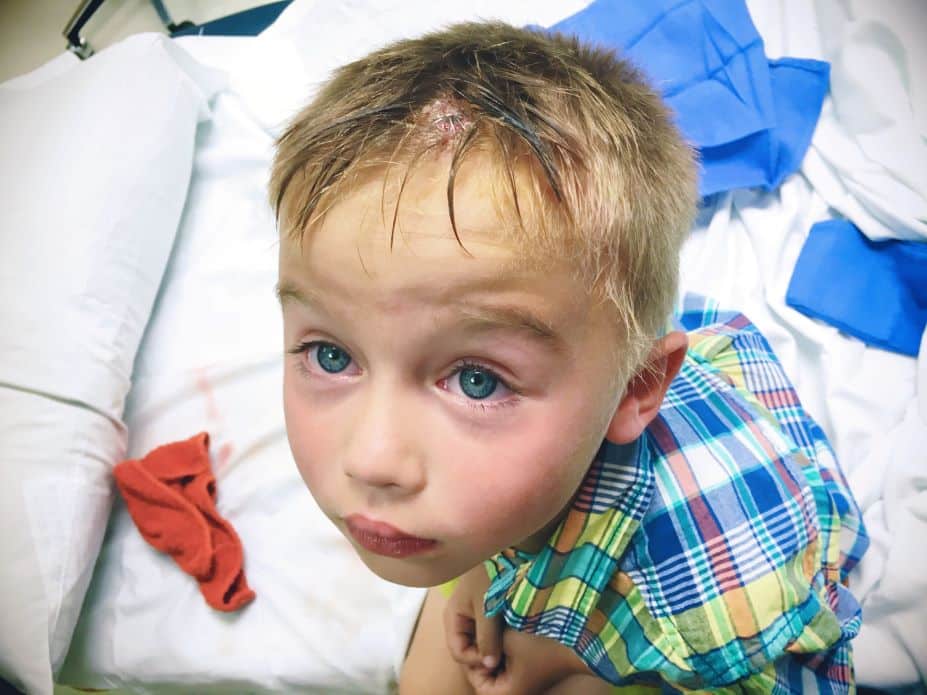
If your workplace organises group first aid and cpr courses Noosa broad, push politely for a provider that values practice and discussion. The distinction in retention between a tick-the-box session and a thoughtful course is large, particularly six or twelve months down the line when something in fact happens.
How frequently should you revitalize your skills?
The formal validity of a first aid certificate Noosa employers recognise is generally 3 years for the main first aid component, and one year for CPR. Regulations can differ somewhat by industry, but from a useful perspective, yearly CPR refreshers are wise for anybody who might realistically need to use those skills.
CPR in particular fades rapidly. Individuals forget hand placement, depth, and speed, or they pick up mistaken beliefs from tv. A short cpr refresher course Noosa based can reset your strategy and upgrade you on any standard changes.
For basic emergency treatment, a complete course every three years is a typical pattern, however if you operate in higher threat settings, handle children, or spend a lot of time supervising water activities, you might choose to revitalize regularly. The cost and time of a day's training compare favourably with the years of comfort and competence you gain.
What parents and carers in Noosa should focus on
Parents, grandparents, and carers typically pertain to a Noosa first aid course with a knot of peaceful worries: choking, swimming pool accidents, and allergies. The good news is that abilities for these scenarios are really teachable.
Child and infant CPR. The compressions, breaths, and even hand position differ from adult CPR. A robust Noosa first aid course will provide you repeated practice on child and baby manikins, not just a quick demonstration.
Choking action. Understanding the difference between an efficient cough, partial obstruction, and a complete clog is essential, especially with babies where back blows and chest thrusts should be sized properly. Lots of carers leave their emergency treatment training in Noosa saying that the choking section was worth the course cost alone.
Fever, seizures, and falls. Children get better quickly, but they likewise weaken quickly when something is incorrect. Early recognition of major warnings is a core part of child focused emergency treatment courses Noosa households find most helpful.
Allergic reactions and anaphylaxis. With food allergies more common in schools and child care, being positive with car injectors and observation after an occasion is essential.
When comparing first aid and cpr courses Noosa broad, search for choices that explicitly discuss child-focused material if you take care of young people frequently. The psychological stakes feel higher when the patient is your own kid, so rehearsal and clear memory hooks end up being even more important.
First aid for the beach and river: useful preparations
Locals who spend a lot of time near the water frequently develop their own micro routines, normally after learning from a scare. A well thought out emergency treatment package becomes part of that, but so is basic planning.
For routine beachgoers, a compact, waterproof pouch in your beach bag can make a big difference. It does not require to be intricate. As a guide, a practical "Noosa water day" set might include:
- A few pairs of non latex gloves, an emergency situation blanket, adhesive dressings, and a number of triangular bandages A small saline service or tidy water container for eye and injury irrigation A fundamental resuscitation mask or face shield for safer rescue breaths if you are trained to utilize them A list of important phone numbers, known allergies or conditions for member of the family, and any appropriate medications such as an inhaler or automobile injector
This complements, not changes, the public resources currently around you. Take note of where lifeguard stations, AED systems, and access points are when you arrive. In an emergency, understanding which direction to run for devices can save a whole minute.
If you boat or paddleboard on the river or offshore, your emergency treatment preparation need to also account for time to coast, interaction (charged phone in a waterproof case, marine radio where suitable), and sun exposure dangers. Training that references real Noosa River and Laguna Bay situations will feel much less abstract when you are out there.
Workplace requirements and practicalities
Businesses in hospitality, tourism, building, childcare, and fitness throughout the location face regulative requirements around first aid, however the real motivation for quality emergency treatment training in Noosa work environments ought to be practical danger management.
Restaurants on Hastings Street, for example, see dehydration, allergies, and slips. Health clubs see heart events, stress, and often serious injuries from weights or devices. Tour operators handle everything from motion illness to fractures or immersion incidents.
A well ready workplace does more than nominate one "first aid individual". It makes sure that:
Enough personnel have existing first aid and CPR Noosa recognised certificates to cover all shifts and locations.
First aid kits are equipped, inspected regularly, and placed where individuals can reach them rapidly without browsing storerooms.
Staff know where AEDs are and have practised retrieving and using them under time pressure.
Incident reporting and debriefing are normalised, so people gain from near misses and little occasions rather than just from major incidents.
The right Noosa emergency treatment training company will help a service align its staff training with its actual threat profile rather of just checking off a generic requirement.
Staying calm when it counts
First help skills only reach their possible if the person utilizing them can think clearly while others panic. That peace does not originate from personality alone. It comes from preparation and mental rehearsal.
During a strong Noosa first aid course, you need to experience a little bit of tension in simulations: a loud room, role gamers acting distressed, or a trainer offering you limited time. This is by design. It teaches you to fall back on structure.
People who deal with genuine incidents well tend to do a few things:
They talk out loud, providing themselves and others clear instructions.
They focus on the basics first: risk, action, air passage, breathing, circulation.
They accept that imperfect action is much better than frozen inaction.
Real emergencies in Noosa rarely look like textbook diagrams. The individual might be half in the water, caught in a car, or surrounded by family. Your training does not offer a script for each scenario, however it offers you a language and a framework to adapt on the fly.
Bringing everything together
First help Noosa wide is not only the domain of specialists. It comes from moms and dads on the sand, baristas identifying a consumer in problem, hikers on the track, and commuters on the freeway. The distinction between viewing helplessly and advance frequently boils down to a decision made months earlier to register in a Noosa emergency treatment course and to keep those abilities fresh.
Whether you pick a comprehensive first aid and cpr Noosa program, a shorter cpr course Noosa based, or a combined plan like those provided by first aid professional Noosa and similar companies, focus on realism, practice, and ongoing refreshers. Each time you train, you are not just making a card. You are buying the safety net that sits quietly below every day life in an area where water, heat, and distance shape threat in specific ways.
If you live, work, or invest routine time in this location, consider your next action. When does your existing certificate expire? Which abilities make you most worried? Who around you depends on your calm action if something takes place? Addressing those concerns truthfully is the simplest way to decide which emergency treatment training in Noosa will give you the confidence and competence you need when it genuinely matters.
Nationally Recognised First Aid Courses Noosa Locals Trust! First Aid Pro is one of Noosa’s leading providers of accredited CPR and first aid courses. Established in 2010, our nationally registered training organisation (RTO) has equipped over 3 million Australians with essential life-saving skills through our experienced team of 110+ expert trainers. Conveniently servicing Noosa and the Sunshine Coast region, we provide top-quality, nationally accredited CPR and first aid training sessions tailored to your needs, whether for workplace requirements, career advancement, or personal safety. From childcare-specific first aid training to advanced first aid and resuscitation courses, we’ve got you covered. First Aid Pro – First Aid Course Noosa Noosa Conference Centre 73 Hilton Terrace Noosaville QLD 4566 Australia Phone: (08) 7120 2570 Secure your Noosa first aid course or CPR training with us and build the confidence to handle emergencies with a trusted Noosa first aid provider. Take the first step towards becoming a skilled and capable first aider with First Aid Pro Noosa today.
Location & Venue Details Our First Aid Pro Noosa courses are held at Noosa Conference Centre, 73 Hilton Terrace, Noosaville QLD 4566, conveniently located in the heart of Noosaville. This modern and well-equipped venue provides a professional and comfortable training environment ideal for first aid, CPR, and childcare first aid courses. It’s the perfect location for participants travelling from Noosaville, Noosa Heads, Tewantin, Sunrise Beach, and surrounding Sunshine Coast suburbs. Situated close to the Noosa River, the venue is near popular local landmarks including Noosa Marina, Noosa Civic Shopping Centre, Noosa National Park, and Hastings Street. The surrounding area offers a variety of cafés, restaurants, and takeaway outlets—perfect for enjoying lunch or coffee before or after your course. With easy access to Noosa Main Beach and nearby riverside parks, it’s also a great place to relax before or after your training. Training is conducted in spacious, air-conditioned rooms within Noosa Conference Centre, equipped with high-quality first aid and CPR training equipment and comfortable seating. The venue provides convenient onsite parking and nearby street parking for participants attending the course. The site is fully accessible, offering step-free entry and accessible restroom facilities, ensuring a smooth and inclusive training experience for all learners.